Learn how you can help the endangered pollinators such as the monarch butterfly by creating pollinator habitats.
Pick a Spot
There are many places you can build a pollinator habitat:
- Your yard
- Potted plants in balconies or other small areas
- Rent a plot at a community garden
- A food forest, such as Blooming Sunshine
Tips
- Plant native flowering plants. Get a list of native plants for your zip code.
- Reduce the size of your grass lawn and replace it with native blooming plants.
- Attract hummingbirds by planting dense shrubs for nesting and native plants with bright red and orange tubular flowers for food. Supplement as needed with a nectar feeder.
- Leave standing dead trees, fallen logs, and bare patches of sandy soil. Most native bees are solitary and lay eggs in tiny tunnels in dead trees, fallen branches, hollow stems, or in sandy soil. You can even put out a bee house filled with nesting tubes.
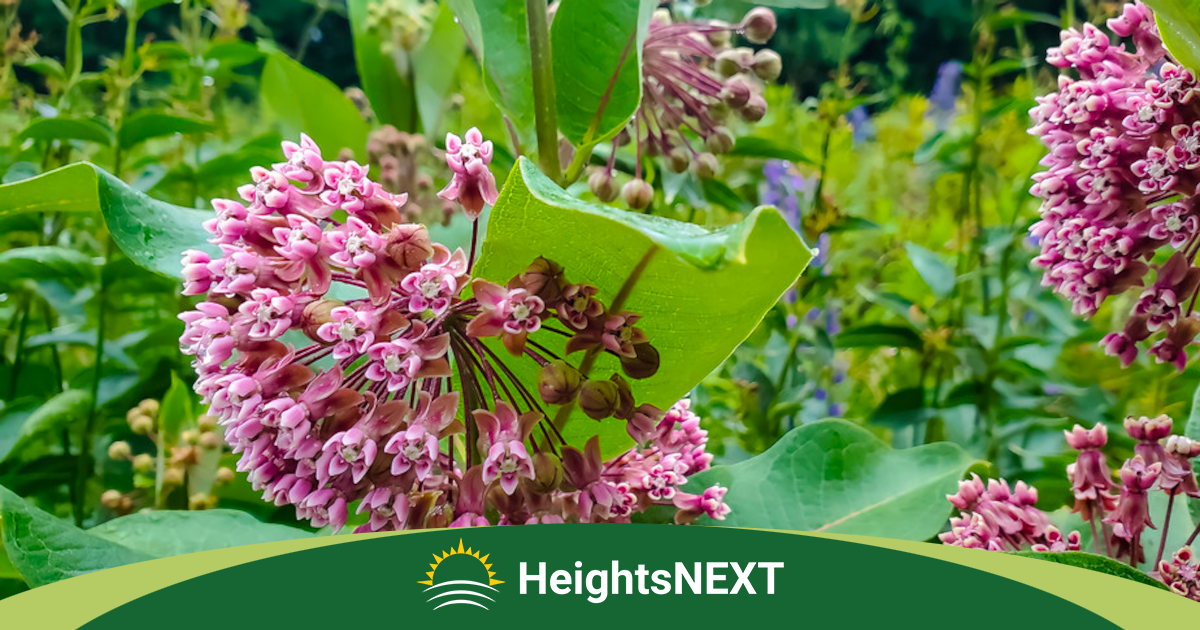
- Plant host plants. Butterflies need special “host plants” as food for their caterpillars. Monarchs rely exclusively on milkweed, so planting it will provide essential habitat. Find host plants for butterflies and moths native to your area.
- Avoid Pesticides. Native plants attract ladybugs, predatory wasps, and other natural enemies of garden pests. These insects are a sign of a healthy garden, and an important food source for birds. No need to spray pesticides. Hand-pick pests if you have an infestation or wash them off with a stream of water from a hose. If you must spray: Only use organic or natural pest deterrents such as soap, garlic and chili pepper; spray only at night, when flowers are not blooming, and when it’s dry and windless; use products that target specific pests rather than broad-spectrum ones; avoid anything labeled as toxic to bees or that kills the “weedy” flowers pollinators visit; specifically avoid garden products that include neonicotinoids; and carefully read and follow application instructions on any spray, using them sparingly.
More about pollinators in Columbia Heights